Golden SMILE LASIK
Golden SMILE is GS Eye Center's protocol for SMILE LASIK: a third-generation laser vision correction that removes a thin lenticule through a 2mm incision, with no corneal flap. GS adds visual-axis centering, calibrated laser energy and a final alignment check, and most patients return to daily routines the next day.
How did laser vision correction reach SMILE?
Each generation changed how the laser reaches the corneal stroma. SMILE removes the correction layer through a keyhole instead of opening the surface.
| Generation | Procedure | How it works |
|---|---|---|
| 1st | LASEK (PRK) | Removes the corneal epithelium, then corrects the exposed surface |
| 2nd | LASIK | Creates a corneal flap, lifts it, and corrects the tissue underneath |
| 3rd | SMILE | No flap. The ZEISS VisuMax femtosecond laser passes through the corneal surface and separates only the thin correction layer (lenticule), which is removed through a 2mm micro-incision |
What makes a SMILE "Golden"?
Five elements GS layers on top of standard SMILE LASIK - each aimed at centering precision, corneal health and the quality of the resulting vision.
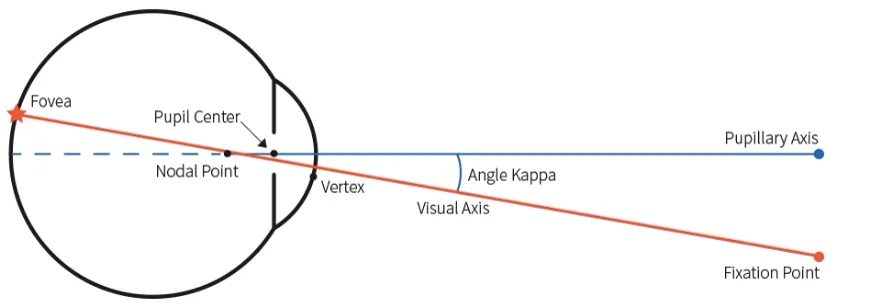
Centered on how you actually see
The visual axis - the line from what you look at to the fovea - does not coincide with the pupil center or the corneal center. Golden SMILE centers the correction on each patient's own visual axis, avoiding decentration for a sharper quality of vision.
Corneal nerves largely preserved
Only the stromal tissue that needs correction is separated, through a 2mm opening. Nerve damage is around one tenth of flap-based surgery and the inner corneal layers involved carry fewer nerves - lowering the risk of post-operative dry eye while preserving ample corneal thickness.
Laser energy tuned to your cornea
Energy set too high can over-damage stromal tissue; too low can tear tissue and create gas bubbles. GS calibrates the energy level to each patient's corneal condition to keep the cornea healthy through surgery.
A final alignment check before the laser
Center marking, visual-axis confirmation, then a deliberate "last check" of the visual-axis center - only then does surgery proceed. A four-step routine run for every single eye.
Beyond what incisional methods could do
Astigmatism that corneal-incision techniques could not address is corrected with the laser - including high myopia combined with severe astigmatism.
Washing your face, showering, make-up, driving, screens - the clinic's guidance allows normal daily routines from the day after surgery, barring individual findings at review.
Names you may recognize
GS Eye Center's Korean site publishes surgery stories for this procedure from public figures, including:
As published on gseyecenter.com. Individual results vary. More patient stories →
Golden SMILE questions
Because SMILE creates no corneal flap, there is no flap to dislodge - the clinic notes the method is well suited to people with an eye-rubbing habit.
Active patients who were once steered toward LASEK now largely choose SMILE, since there is no flap vulnerable to impact. In Korea it is a common choice before military enlistment for the same reason.
The 2mm incision keeps disruption of the tear-related corneal surface to a minimum, which is why SMILE is the option the clinic points dry-eye-prone patients toward. Discuss your specific case in the pre-operative exam - see also the dry eye clinic.
From the day after surgery: washing your face, showering and washing your hair, driving, using screens, and skin or eye make-up are all permitted under the clinic's standard guidance - subject to your post-operative review.