LASIK · LASEK and 2Day LASEK
LASIK corrects vision under a protective corneal flap; LASEK works on the surface, suiting thin corneas and very high myopia. GS Eye Center's 2Day LASEK replaces the alcohol-and-brush step with an all-laser process on the SCHWIND Amaris Red 1050s, reducing the wound area by about 40% so pain eases from day two.
What actually differs between LASIK and LASEK?
Both use an excimer laser to correct the corneal stroma. The difference is how the laser gets there.
| Procedure | How it reaches the stroma | Character |
|---|---|---|
| LASIK | Creates a corneal flap, lifts it, corrects underneath, closes the flap | Fast visual recovery; the flap must be protected. GS performs the flap by laser, never blade - see VISU LASIK |
| LASEK | Removes the thin epithelial surface layer, then corrects the exposed stroma | No flap at all - the cornea keeps maximum structural strength; the epithelium regrows over a few days |
What is 2Day LASEK?
Conventional LASEK loosens the epithelium with alcohol and strips it with a brush. 2Day LASEK does the entire process with the laser - more precise, a smaller wound, and a name taken from its goal: pain easing from the second day.
The surface layer is prepared by laser - no alcohol, no brush.
The Amaris Red reshapes the corneal stroma to your prescription.
A therapeutic contact lens covers the eye while the surface heals.
A smaller ablation area means less nerve disruption, so pain is reduced and the quality of vision is better protected. Because there is no corneal flap, flap-related complications - corneal wrinkles, tears or gas bubbles - do not arise, and the eye is more resilient to external impact. If the exam confirms your eyes are suitable, surgery can proceed the same day - a schedule that also works over a weekend.
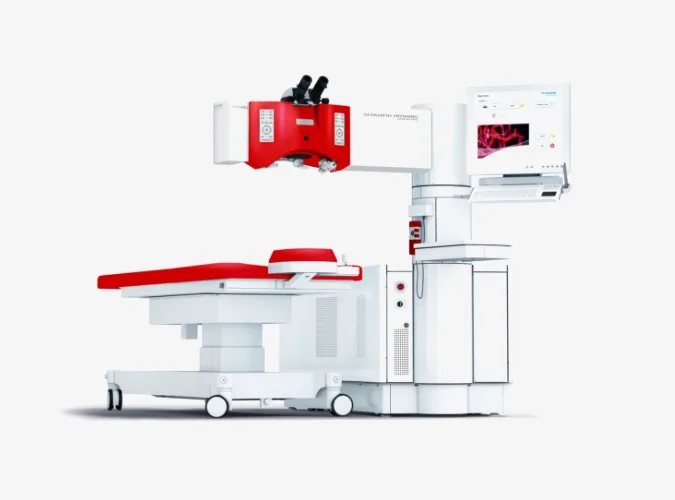
SCHWIND Amaris Red 1050s
The German excimer platform behind 2Day LASEK, tuned for surface ablation with less collateral stress:
- 1050Hz repetition rate - a short laser time that reduces heat damage, corneal drying and haze risk.
- 7-dimension eye tracking - anticipates involuntary eye movements during the procedure.
- SmartPulse - shapes each pulse to the cornea's geometry for a smoother ablation surface, supporting faster recovery and less glare and pain.
- Less tissue removed - the platform ablates less corneal tissue than conventional LASEK for the same correction.
Who tends to choose the LASEK track?
Surface-first approach
With no flap consuming corneal thickness, LASEK remains open to corneas too thin for flap-based surgery.
Ultra-high prescriptions
Extreme myopia that rules out other laser methods can still qualify for the surface track.
Active lifestyles
No flap means nothing to dislodge - a fit for contact sports and physically demanding work.
Glare-sensitive patients
The smoother ablation surface is aimed at reducing night glare and halo complaints, with low regression tendency.
Examination, consultation and - if your eyes qualify - surgery in a single visit. Short-stay international patients ask about this track most.
Names you may recognize
GS Eye Center's Korean site publishes 2Day LASEK surgery stories from public figures, including:
As published on gseyecenter.com. Individual results vary. More patient stories →
LASIK · LASEK questions
Both correct the corneal stroma with an excimer laser. LASIK creates a protective flap and recovers vision faster; LASEK removes the surface epithelium instead, preserving more structural strength - the usual pick for thin corneas, very high myopia and impact-heavy lifestyles. The 50-plus-item pre-operative exam decides which your eyes support.
Conventional LASEK soaks the epithelium in alcohol and strips it with a brush. 2Day LASEK performs the entire process by laser - more precise, with less pain and faster recovery.
If your eye condition qualifies, yes: exam, consultation, doctor's review and surgery can run in one visit, with some waiting between steps. This is the schedule most short-stay visitors use.
The epithelium needs to regrow, so plan on two days or more before routine activities feel comfortable - with pain typically easing from day two and a progress exam around day four.