Cataract surgery, planned around one pair of eyes: yours.
The GS Smart Cataract System is a 1:1 planning method. Measurements from the IOL Master 700 and GALILEI G4 decide whether your cataract is treated with the FEMTO LDV Z8 femtosecond laser or through a roughly 2 mm micro-incision - and which intraocular lens replaces the clouded one.
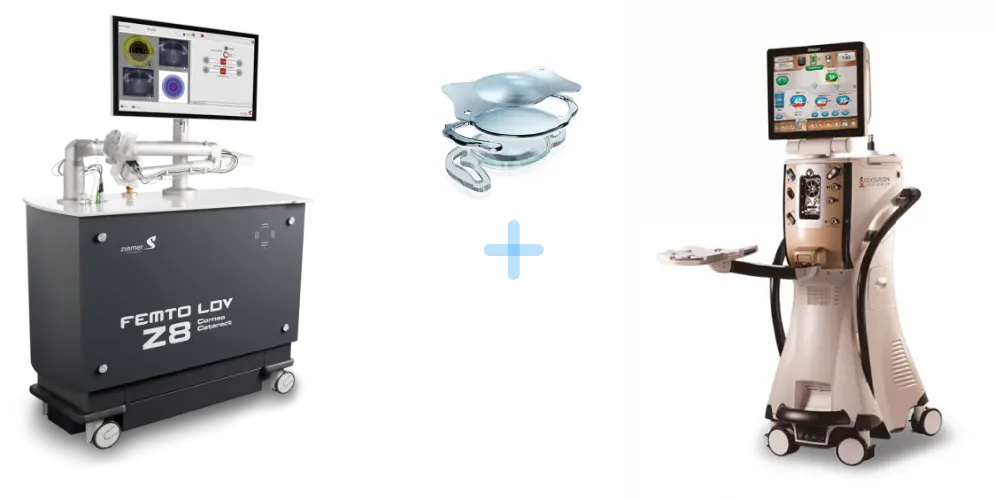
One diagnosis, three decisions
“Smart” here means matched, not automated. After the precision exam, the surgical plan fixes three things for your eyes specifically:
- Method - femtosecond laser surgery on the FEMTO LDV Z8, or micro-incision ultrasound surgery on the Centurion
- Astigmatism - whether and how astigmatism is corrected during the same procedure
- Lens - which of the nine stocked IOLs fits your distances, work and lifestyle, including correcting near and far vision and treating cataract and presbyopia at once
How does the clinic know which surgery fits?
Two diagnostic platforms produce the numbers the plan is built on.
IOL Master 700 — two units
Laser-based measurement across the whole eye, cornea to retina. The clinic operates two of these - equipment that, per its own description, even university hospitals do not easily maintain - to calculate the lens power your eye needs.
GALILEI G4
An anterior-segment CT combined with corneal topography that analyzes the eye in three dimensions - the shape data used to plan incisions and astigmatism correction.
What is laser cataract surgery?
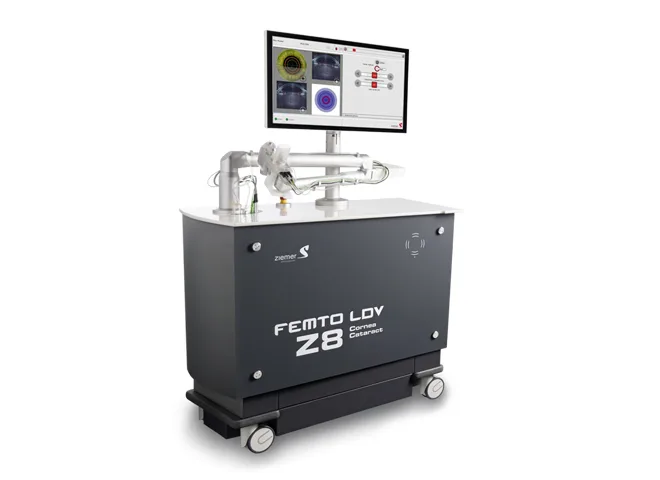
The femtosecond laser handles the delicate steps
On the FEMTO LDV Z8, the corneal incision and the fragmentation of the clouded lens are performed by femtosecond laser rather than by hand. The clinic uses it for the precision of the cuts and for accurate astigmatism correction planned into the same procedure. The platform was introduced at GS in 2020.
- Laser-made corneal incision and lens fragmentation
- Precise, pre-planned astigmatism correction
- Followed by IOL implantation matched to your eye
What is micro-incision cataract surgery?
A roughly 2 mm incision, and a surgeon's hands
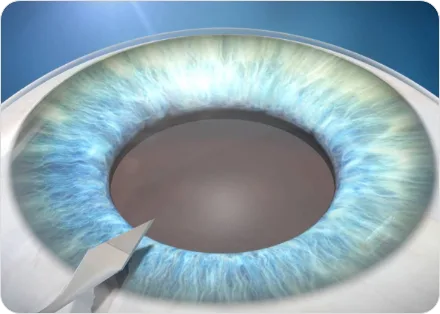
In micro-incision surgery, the clouded lens is emulsified by ultrasound and removed through an incision of about 2 mm, using a surgical blade and the Centurion phaco system - the model in service at internationally known eye centers such as Bascom Palmer. The small incision means less tissue disruption and discomfort, and recovery the clinic describes as returning to daily life the day after surgery. Here the decisive factor is the surgeon's accumulated clinical experience.
- About 2 mm incision - less damage, faster recovery
- Automatic intraocular pressure sensing during surgery
- Outcome rests on long surgical experience - meet the surgeons
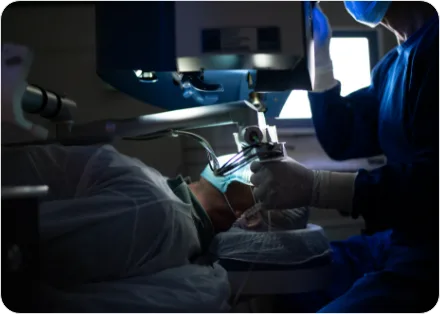
What supports the operating room?
The clinic publishes these check points for its presbyopia-cataract track - the operating conditions and follow-through around every case:
How your surgery is decided
IOL Master 700 biometry plus GALILEI G4 3D anterior imaging map your eye.
No cataract means no cataract surgery - other presbyopia options are discussed instead.
Laser (FEMTO LDV Z8) or micro-incision (Centurion), with astigmatism correction planned in.
One of nine premium IOLs is matched to your distances and lifestyle.
The second eye follows the first, usually 1-2 days later - never the same day.
Micro-incision recovery the clinic describes as daily life the next day, then post-operative checks.
Cataract surgery FAQ
Early cataracts are followed with regular exams rather than surgery. Once distance vision starts to decline, surgery becomes worth considering - and the clinic advises not waiting too long, because a hypermature cataract can trigger secondary glaucoma and a hardened lens raises surgical difficulty and complication risk.
No. The clinic operates on one eye at a time, with the second eye usually 1-2 days later. International visitors should plan their stay in Seoul around this - a coordinator will help you build the schedule before you book flights.
It depends on the lens. A multifocal IOL is designed so reading glasses are not needed; a monofocal IOL improves one distance and reading glasses remain necessary. The IOL lineup page compares the nine stocked lenses.
Yes. Previous laser vision correction does not rule out cataract surgery. Bring or send your history so it can be factored into the lens power calculation.
The clinic advises waiting at least one month after cataract surgery before any cosmetic eyelid procedure. If you are combining plans in Seoul, sequence the eyes first.